

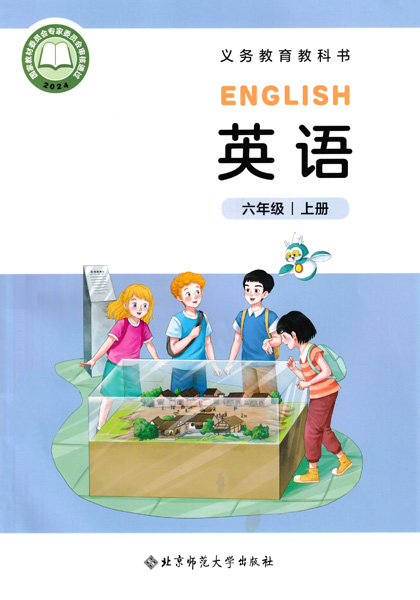

2026北师大三起六年级上册英语 Unit 5 Feeling the art 课文朗读、跟读音频与课文翻译

版本: 北师大三起
年级: 六年级上册
出版社: 北京师范大学出版社
切换教材
2026北师大三起六年级上册英语《Unit 5 Feeling the art》(北师大三起六上第五单元)课文介绍中国传统艺术国画,重点研读 Chinese painting is wonderful 与 It's an art of ink and brush 等原句,收录 brush、paper 与 ink stone 艺术工具词,提供课文点读与中文翻译。
免费下载音频

第5单元 · Unit 5 Feeling the art 课文原文、句子跟读与朗读音频

Lesson 1 Chinese art · 北师大三起英语六年级上册(北师大三起六上) 本单元单词跟读 >

1 Lesson 1 Chinese art

UNIT 5 Feeling the art 第 5 单元 感受艺术

How does art make the world different? 艺术如何让世界变得不同?

Lesson 1 Chinese art 第 1 课 中国艺术

1. Read, listen and find out. 1. 读一读,听一听并一找。

Chinese painting 中国画

Chinese painting is wonderful. 中国画非常棒。

It's an art of ink and brush. 它是一种水墨和毛笔的艺术。

The artists use paint brushes, ink, paper and ink stones. 艺术家们使用画笔、墨、纸和砚台。

Look at this painting. 看这幅画。

It shows the beautiful Fuchun River, trees and hills in autumn. 它展现了秋天美丽的富春江、树木和山峦。

Peking opera 京剧

Peking opera is a symbol of Chinese art. 京剧是中国艺术的一个象征。

It's an art of music, singing and dancing. 它是一种集音乐、演唱和舞蹈于一体的艺术。

The most interesting part is the face painting. 最有趣的部分是脸谱。

Look! The man with red face paint is brave in Peking opera. 看!京剧里画着红脸的人物是勇敢的。

Paper-cutting 剪纸

Paper-cutting is interesting. 剪纸很有趣。

It's an art of paper in China. 它是中国的一种纸张艺术。

People use red paper to cut animals, flowers... and everything. 人们用红纸剪出动物、花朵⋯⋯所有东西。

Look! In this paper-cut, 看!这张剪纸上

there are two fish and some money. 有两条鱼和一些钱币。

At the Spring Festival, 春节时,

people put up paper-cuts on windows and doors to show good wishes. 人们把剪纸贴在门窗上,用来表达美好的祝愿。

What are the three kinds of Chinese art? 这三种中国艺术是什么?

2. Read again and write. 2. 再读一遍,然后写一写。

Chinese painting 中国画

Peking opera 京剧

Paper-cutting 剪纸

3. Read and match. 3. 读一读,连一连。

1. It's an art of music, singing and dancing. 1. 它是一种融合了音乐、歌唱和舞蹈的艺术。

2. People use red paper to make them. 2. 人们用红纸来制作它们。

2 Lesson 2 Feeling the paintings

Lesson 2 Feeling the paintings 第 2 课 感受画作

1. Read, listen and find out. 1. 读一读,听一听并找一找。

Look at the painting. 看这幅画。

What do you see? 你看到了什么?

I see the moon and the stars. 我看到了月亮和星星。

What did you see first? 你最先看到了什么?

I saw the moon first. 我最先看到了月亮。

Move your eyes with the wind from star to star, then to the moon. 跟着风,让你的目光从一颗星移到另一颗星,再移到月亮上。

Let your eyes move down to the small village. 让你的目光往下移到那个小村庄。

What's that big black thing in the front? 前面那个大大的黑色的东西是什么?

I think it's a tree. 我觉得是一棵树。

The tree is the closest to you, 树离你最近,

but it wasn't the first thing you saw in the painting. 但它不是你在这幅画里最先看到的东西。

Interesting, right? 很有趣,对不对?

How do you feel? 你感觉怎么样?

I feel a little sad because of the colours. 因为这些颜色,我觉得有点难过。

What about you, Xiaohua? ... 小华,你呢? ⋯⋯

What do they see? 他们看到了什么?

the moon 月亮

the stars 星星

the wind 风

the village 村庄

the tree 树

2. Read again and write. 2. 再读一遍,然后写一写。

3. Listen and tick. 3. 听一听并勾选。

—Hi, children, come and look at this painting. —孩子们,快来看看这幅画。

3 Lesson 3 Art in our life

Lesson 3 Art in our life 第 3 课 我们生活中的美术

1. Read, listen and find out. 1. 读一读,听一听并找一找。

Anyone can be an artist... 人人都可以是艺术家⋯⋯

Xiaoli is an artist. 小丽是一名艺术家。

She makes wonderful posters, like this one about her holiday. 她制作很棒的海报,就像这张关于她假期的海报。

There are three photos. 有三张照片。

Around the photos, she drew some flowers. 在照片周围,她画了一些花。

I also like her beautiful handwriting. 我还喜欢她漂亮的字迹。

— Maisy ——梅茜

TRAVEL 旅行

My dad makes pictures with food. 我爸爸用食物作画。

For today's breakfast, 今天的早餐,

he used rice and a tomato to make a cute rabbit. 他用米饭和一个西红柿做了一只可爱的兔子。

He used vegetables to make grass and flowers. 他用蔬菜做了草和花。

What an artist! 多棒的艺术家啊!

I ate them all! 我把它们全吃光了!

— Xiaohua ——小华

Grandma can make beautiful things with old clothes — 奶奶能用旧衣服做出漂亮的东西——

she's a great artist! 她是个很棒的艺术家!

She made this bag with my old sweater. 她用我的旧毛衣做了这个包。

Mum uses it to take her things to work. 妈妈用它装东西去上班。

It's cool, right? 很酷,对不对?

— Max ——麦克斯

Who is an artist? 谁是一位艺术家?

Maisy 梅茜

Xiaoli 小丽

Xiaohua's dad 小华的爸爸

Max's grandma 麦克斯的奶奶

2. Read again and write. 2. 再读一遍,然后写一写。

Who: Xiaoli 人物:小丽

Why is he/she an artist? 为什么他/她是艺术家?

Who: Xiaohua's dad 人物:小华的爸爸

Why is he/she an artist? 为什么他/她是艺术家?

Who: 人物:

Why is he/she an artist? 为什么他/她是艺术家?

4 Lesson 4 Try it out

Lesson 4 Try it out 第 4 课 试一试

1. Let's play. 1. 我们来玩吧。

What's a symbol of Chinese art? 什么是中国艺术的一个象征?

Peking opera. 京剧。

What's a symbol of Chinese art? 什么是中国艺术的一个象征?

2. Listen and number. 2. 听录音,标序号。

—Look at this cool paper bird. —看这幅很酷的纸鸟。

In China, we put these up to show good wishes. 在中国,我们贴剪纸来表达美好的祝愿。

—Yes, it's red, because we often put red paper-cuts on windows at the Spring Festival for good luck. —是的,它是红色的,因为我们常在春节时把红色剪纸贴在窗户上,祈求好运。

But I like this bird. 不过我喜欢这只鸟。

The artist used leaves and flowers to make it. 艺术家用树叶和花朵拼成了它。

—Ha ha. —哈哈。

A bird of leaves and flowers. 一只由树叶和花朵组成的鸟。

I love this idea. 我喜欢这个创意。

A green bird with a white face. 一只白脸绿鸟。

But look at this colourful picture. 再看看这幅彩色的画。

The artist painted it with brushes. 它是艺术家用画笔画出来的。

—The artist used different colours for the bird. —艺术家给这只鸟用了不同的颜色。

5 Sounds and words

WHAT'S NEW 新知识

Peking opera is a symbol of Chinese art. 京剧是中国艺术的一个象征。

It's an art of paper in China. 它是中国的一种纸艺。

What did you see first? 你最先看到了什么?

I saw the moon first. 我最先看到了月亮。

How do you feel? 你感觉怎么样?

I feel a little sad because of the colours. 因为这些颜色,我感觉有点难过。

My dad makes pictures with food. 我爸爸用食物作画。

SOUNDS AND WORDS 发音和单词

1. Listen and read. 1. 听一听,读一读。

Look at this painting. 看看这幅画。

Peking opera is a symbol of Chinese art. 京剧是中国艺术的一个象征。

People put up paper-cuts on windows and doors. 人们把剪纸贴在窗户和门上。

There are three photos. 有三张照片。

2. Read and draw. 2. 读一读,画一画。

6 PROJECT

PROJECT A 3D picture 展示 3D 画

What is a 3D picture like? 3D 画是什么样的?

How can you make a 3D picture? 你要怎么制作一幅 3D 画?

1. Put your hand on the paper and draw around it. 1. 把你的手放在纸上,然后沿着手的轮廓画。

2. Draw "______" lines around the hand like this. 2. 像这样在手的周围画上“______”图案。

3. Draw "~" in the hand like this. 3. 像这样在手的里面画上“~”图案。

4. Colour like this with two different colours. 4. 像这样用两种不同的颜色上色。

What other 3D pictures can you make? 你还能制作其他什么 3D 画呢?

7 READING TIME

READING TIME 阅读时间

Art for children 儿童艺术

My mum loved reading when she was a child. 我妈妈小时候很喜欢阅读。

She liked reading stories with pictures. 她喜欢读带图画的故事。

After school, my mum and her friend often read "small picture books". 放学后,我妈妈和她的朋友经常看“小画书”。

Most small picture books were black and white, 大多数小画书都是黑白的,

but the pictures were beautiful. 但里面的图画很漂亮。

The artists were wonderful. 艺术家们都非常棒。

There were some wonderful films for them to watch. 当时有一些很棒的电影供他们观看。

Sun Wukong was her favourite. 《孙悟空》是她的最爱。

The Story of Afanti was her favourite too. 《阿凡提的故事》也是她的最爱。

It was an interesting film. 那是一部很有趣的电影。

Afanti was a very clever man, 阿凡提是个非常聪明的人,

and he always helped other people! 他总是帮助别人!

Some films used paper-cuts, ink-and-wash paintings. 有些电影运用了剪纸和水墨画。

They gave all the children a wonderful time. 它们给所有孩子带来了一段美好的时光。

Thinking cap: What did children like at that time? 思考帽:那时候的孩子们喜欢什么?

What do you think of the books and films? 你觉得这些书和电影怎么样?

显示全部内容

英语北师大三起六年级上册课文目录

Unit 1 Growing Unit 2 Changes Unit 3 Into space Unit 4 Travelling Unit 5 Feeling the art
  • Lesson 1 Chinese art
  • Lesson 2 Feeling the paintings
  • Lesson 3 Art in our life
  • Lesson 4 Try it out
  • Sounds and words
  • PROJECT
  • READING TIME
Unit 6 Review Wonderful world Word Bank Table of verbs
小学北师大三起英语六年级上册:课本同步学
小学北师大三起英语六年级上册:单词强化训练
知识点笔记

北师大三起六年级上册英语 Unit 5 Feeling the art 课文知识点笔记:重点句型语法与原句翻译

单元目录与核心句型

【Unit 5中国传统画艺术主题原句与双语翻译】

重点课文翻译与语法

课文《Unit 5 Feeling the art》通过介绍国画与京剧展现艺术魅力,重点课文原句对照:

发音规律与词汇变形

1. How does art make the world different?(艺术如何让世界变得不同?)

发音规律与词汇变形

2. Chinese painting is wonderful. It's an art of ink and brush.(国画非常美。它是一种墨和笔的艺术。)

发音规律与词汇变形

3. The artists use paint brushes, ink, paper and ink stones.(艺术家们使用笔、墨、纸、砚。)

发音规律与词汇变形

4. It shows the beautiful Fuchun River, trees and hills in autumn.(它描绘了美丽的富春江以及秋日的山林。)

发音规律与词汇变形

【Unit 5文房四宝与传统艺术专有名词归纳】

发音规律与词汇变形

本课重点积累中国传统文化特色词汇:

发音规律与词汇变形

- 文房四宝表达:paint brush毛笔,ink墨汁,paper宣纸,ink stone砚台。

发音规律与词汇变形

- 传统艺术形式:Peking opera京剧,face painting脸谱,paper-cutting剪纸。

发音规律与词汇变形

- 核心动词搭配:use使用,put up张贴,show展示,move移动。

发音规律与词汇变形

【Unit 5名词所有格与感叹句发音语调规范】

发音规律与词汇变形

句型It's an art of ink and brush中of短语作后置定语;art of与ink and产生辅音连缀;在朗读Chinese painting is wonderful等陈述感叹句时,句首略升、句尾稳步降调,读出文化自豪感。

同版本各年级 & 同年级各版本同步单元课文推荐