

 切换教材
 免费下载音频


知识点笔记
人教新目标版九年级上册英语 *Reading Plus 核心对话原句翻译与语法发音要点
01 单元语篇结构
本课为人教新目标版九年级上册英语《*Reading Plus》,包含 本单元核心对话与阅读语篇 等同步课文板块。
02 核心句型与表达
围绕《*Reading Plus》主题展开情景对话与阅读训练,配套原版高清发音与逐句中文翻译。
03 跟读训练建议
点击任意英文句子即可单句点读复读,建议对照双语字幕跟读模仿语音语调。
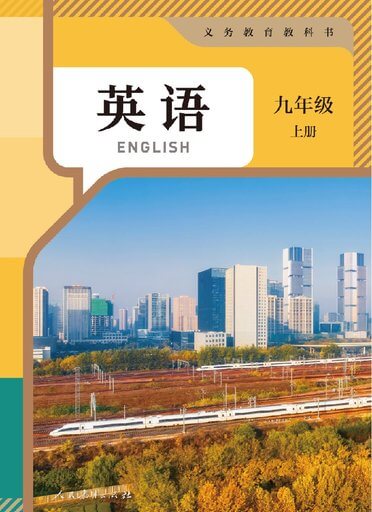
人教新目标版英语九年级上册(人教新目标九上)
Reading Plus 拓展阅读
Unit 1 第一单元
Love My Hometown, Build My Hometown 热爱我的家乡,建设我的家乡
With a deep love for their hometown, people of different ages and professions are contributing to its development and growing along with it. 怀着对家乡的深情,不同年龄、不同职业的人们都在为家乡的发展贡献力量,并与家乡共同成长。
Today, let us explore three such stories. 今天,让我们一起走进三个这样的故事。
The watermelon farmer 西瓜种植户
Liu Guanghui is an agricultural technology expert in watermelon farming. 刘光辉是一位西瓜种植领域的农业技术专家。
Although he is more than 70 years old, he still spends most of his days working in the sun on the farmland. 虽已年过七旬,他仍常年顶着烈日在田间劳作。
He wears a wide hat, and his skin is brown from the sun. 他戴着宽檐草帽,皮肤被晒得黝黑。
He loves farming and has spent his life researching ways to improve it. 他热爱农业,一生都在钻研改良种植的方法。
On his days off, Guanghui provides local farmers with technical training and guidance for free. 每逢休息日,光辉免费为当地农户提供技术培训与指导。
With joint efforts of the government, farmers, and experts like him, the farming economy in the province has grown by more than one billion yuan over the years. 在政府、农户以及像他这样的专家的共同努力下,这些年来全省的农业经济增长超过了十亿元。
The flower live-streamer 花卉主播
Jiang Hui's friends and fellow villagers call her the 'flower girl'. 江慧的朋友和乡亲们都称她为“鲜花姑娘”。
When she was young, Hui often visited her aunt's flower field after school, where she learnt how to grow flowers. 小时候,她放学后常去姑姑的花田,在那里学会了种花。
She also showed great talent in putting different flowers together beautifully. 她在花艺搭配上也极具天赋。
After graduating from university, Hui decided to return to her hometown and start her own flower business. 大学毕业后,江慧决定回到家乡,开创自己的花卉事业。
To promote sales, she started to sell her flowers online. 为了提高销量,她开始在网上卖花。
It was hard at first, but she didn't give up. 起初十分艰难,但她从未放弃。
She always patiently explained and offered practical advice to customers. 她总是耐心地为顾客讲解,提供实用建议。
Gradually, her online shop became more popular. 渐渐地,她的网店越来越受欢迎。
She also helped other villagers and taught them how to sell agricultural products online. 她还帮助其他村民,教他们如何在网上销售农产品。
'Many people now know about the agricultural products from our town,' Hui said with a big smile. “现在很多人都知道我们镇的农产品了!”江慧说道,露出一个大大的笑容。
'This makes all the hard work worthwhile!' “所有的辛苦都值了!”
The village teacher 乡村教师
When Yuan Bailing was a little girl, it took her almost an hour to get to school each day, but she loved school so much that she never missed it. 小时候,袁百灵每天上学要花近一小时,但她非常热爱上学,从未缺过课。
As she grew up, she witnessed how her village changed greatly over the years. 在成长的过程中,她目睹了村庄这些年的巨大变化。
Better roads and bridges have been built. 路和桥都修得更好了。
Now it takes only ten minutes for children to get to school. 如今孩子们上学只需十分钟。
As the first person from her village to graduate from university, Bailing decided to return to her hometown to become a teacher. 作为村里的第一个大学毕业生,百灵决定回到家乡当一名教师。
She wanted to help more children get a good education and be part of her hometown's growth and development. 她想帮助更多孩子接受良好教育,参与到家乡的建设与发展中来。
Though the area still needs further development, through the courage and hard work of its people—like Bailing—it has a bright future ahead. 尽管这片土地仍需继续发展,但正是因为有像百灵这样勇敢而勤恳的人民,家乡的未来一片光明。
Unit 2 第二单元
Edward Jenner and the Battle Against Smallpox 爱德华·詹纳与抗击天花之战
Smallpox used to be one of the worst global diseases. 天花曾是世界上最可怕的疾病之一。
It killed millions of people in history. 历史上夺走了数百万人的生命。
However, we do not hear much about it any more. 然而,我们现在很少听说它了,
Why? 这是为什么?
Because it is no longer around in nature. 因为它已在自然界中绝迹。
This happened mainly because of the work of Edward Jenner (1749–1823), an English doctor and scientist. 而这一切,主要归功于英格兰医生兼科学家爱德华·詹纳(1749—1823)的研究成果。
Jenner did not have an easy childhood. 詹纳的童年十分坎坷。
His parents died when he was young, and his elder brother raised him. 他年幼时父母双亡,由哥哥抚养长大。
It was difficult for him to do well in school, but he had a passion for nature. 他在学校里很难取得好成绩,却对大自然满怀热爱。
At 13, he became an apprentice to a doctor for eight years. 13岁那年,他拜一位医生为师,做了八年学徒。
It was hard for doctors to be well-respected at that time because modern medicine had not fully developed. 当时,由于现代医学尚未发展成熟,医生并不受尊重。
When Jenner was 21, he studied at a hospital in London. 21岁时,詹纳前往伦敦一家医院求学。
After he finished his studies, Jenner went back to his home in the countryside because he liked it more. 学成之后,他回到了自己钟情的乡村老家。
There, he became a family doctor and people started to hear about his good work. 在那里,他成为了一名家庭医生,他的出色医术也渐渐为人称道。
In his free time, he continued to do research and study nature. 闲暇之余,他坚持研究和探索自然。
It was while working as a doctor that Jenner discovered that milkmaids—women who milk cows—rarely got smallpox. 在行医过程中,詹纳发现挤奶女工——那些为奶牛挤奶的女性——极少患天花。
They often got cowpox, a disease like smallpox, but these milkmaids did not get very sick and they did not die. 她们经常染上牛痘,这是一种类似天花的疾病,但病情轻微,无性命之忧。
He wondered: Do milkmaids get protected from smallpox just because they often get cowpox? 他不禁思索:难道仅仅是是因为经常得牛痘,挤奶女工就能免于感染天花?
To test this, Jenner came up with the idea of first giving some people cowpox, then giving them smallpox. 为了验证这一猜想,詹纳想出了一个方法:先给一些人接种牛痘,再让他们接触天花。
These people did not get the smallpox! 这些人竟然都没有染上天花!
After many other tests, he realized that cowpox could actually be used to protect people from getting smallpox. 经过反复试验,他证实牛痘实际上可以用来预防天花。
Jenner invented a new word to describe what he had created: 'vaccine'. 为了描述自己的发明,詹纳创造了一个新词——vaccine(疫苗)。
The word comes from the Latin word for 'cow'. 该词源自拉丁语中表示“奶牛”的单词。
It is wonderful that, because of Jenner's work, smallpox is not around any more and people no longer die from it. 因为詹纳的工作,天花已经绝迹,再也无人因此丧生,这真是太棒了。
His pioneering research has been used to create vaccines for other diseases. 他的开创性研究已被用于研制其他疾病的疫苗。
Unit 3 第三单元
The Problem of Procrastination 拖延症问题
Cathy knew that she had an essay due on Monday. 凯茜知道周一要交一篇论文。
However, instead of beginning work on it today, she waited until the last minute and started on Sunday night. 可她并没有当天就动笔,而是拖到最后一刻,直到周日晚上才开始写。
Of course, it was impossible to do a good job writing an essay in one night, so she got a bad grade. 当然,一晚上根本写不出好文章,因此她只得了低分。
She then kicked herself for not starting earlier and promised to do better next time, but she didn't. 她责怪自己没有早点开始,发誓下次一定改进,可到头来还是老样子。
Does Cathy's story sound familiar? 凯茜的故事是不是听起来很熟悉?
Like Cathy, many of us procrastinate—we put off doing something important until the last moment. 和凯茜一样,我们很多人都会拖延——把重要的事推迟到最后一刻。
But why do we do this? 可我们为什么会这样呢?
Some research shows that we procrastinate because of negative feelings, such as fear or worry. 一些研究表明,我们拖延是源于恐惧、焦虑等负面情绪。
We are afraid of doing a poor job or getting bad grades. 我们害怕做不好,担心得低分。
We think that we might fail. 总觉得自己可能会失败。
We put off doing the work in order to avoid having these bad feelings. 为了逃避这些不舒服的感受,我们推迟行动。
Sadly, we are more likely to fail or do poorly when we procrastinate. 遗憾的是,在拖延时我们更容易失败或表现不佳。
This creates even more negative feelings and makes it more likely that we will procrastinate the next time. 这又会滋生更多负面情绪,导致下次更可能拖延。
The long-term solution to this problem is to deal with our negative feelings. 解决这一问题的长远之计,是正视我们的负面情绪。
We need to forgive ourselves for failing. 我们要原谅自己的失败,
We need to accept that sometimes we will not meet the goal. 接受偶尔无法达成目标的现实。
We also need to realize that difficult work isn't always a bad thing. 我们也要明白,有难度的任务未必总是坏事。
It is through difficulty that we learn and grow. 正是在攻坚克难的过程中,我们才得以学习与成长。
So what can we do? 那么,我们该怎么做呢?
Here are some tips. 这里有几个实用建议。
First, realize that once we face our fears and get started, our fears often go away, and we start to enjoy the work. 首先,要明白一旦我们直面恐惧、着手行动,我们的恐惧往往烟消云散,我们开始享受工作。
Second, break large projects into small parts, each with their own smaller deadline. 其次,把大项目拆分成小块,给每一块设定一个小期限。
Take each thing step by step. 一步步完成每件事。
Third, reward yourself for getting a step done. 再次,每完成一步,就奖励一下自己。
Relax or do something fun, then get back to work. 放松一会儿,或做点开心的事情,然后再继续工作。
Finally, remove temptation. 最后,远离诱惑。
This means if you watch TV to put off work, then work at the library. 也就是说,如果你看电视耽误工作,那就去图书馆工作。
If you chat with friends to put off work, then work alone and turn off your phone. 如果你和朋友聊天耽误工作,那就独自工作并关掉手机。
Find a place to work that does not have such distractions. 找一个没有干扰的地方工作。
In the end, it is up to you and the actions you take to overcome procrastination. 归根结底,能否克服拖延症,全看你自己和你采取的行动。
So what are you waiting for? 那么,你在等什么呢?
Unit 4 第四单元
Brain Sports 脑力运动
How good is your memory? 你的记忆力有多好?
How many words can you memorize in 15 minutes? 你能在15分钟内记住多少单词?
Well, some people can memorize 335 words. 有些人能记住335个单词。
Some people are even more amazing. 有些人甚至更厉害。
For example, someone once memorized the order of 2,530 playing cards in just one hour! 比如,曾有人在短短一小时内记住了2530张扑克牌的顺序!
Just as there are sports competitions using our bodies, there are also sports competitions using our minds, such as the World Memory Championships. 就像有比拼体能的体育赛事一样,也有运用脑力的竞技比赛,比如世界记忆锦标赛。
These were held in Wuhan, China, in 2019. 该赛事2019年就在中国武汉举办过。
There were many different events. 比赛项目丰富多样。
For instance, the 'brain athletes' had to remember as many names and faces as they could or as many words as possible in 15 minutes. 例如,“脑力运动员”要在15分钟内记住尽可能多的人名与面孔,或是尽可能多的单词。
While you might think that these competitors were all born with a strong memory, this is often not true. 你可能会以为这些选手天生记忆力超群,但事实往往并非如此。
For example, one champion has an average memory, but he makes full use of memory techniques. 比如,一位冠军的记忆力很普通,但他充分运用了记忆技巧。
So, if he wants to remember the names of the Great Lakes in the US and Canada, he thinks of HOMES, because each letter in HOMES stands for a different lake. 所以,如果他想记住美国和加拿大的五大湖的名称,他就会想到“HOMES”,因为这个单词里的每个字母分别代表一个湖泊。
Many competitors use what is called a 'memory palace' to remember things. 许多选手使用一种被称为“记忆宫殿”的方法来记东西。
While most people are terrible at remembering lists, they are quite good at remembering where things are. 虽然大多数人记清单很吃力,却特别擅长记住物品的位置。
Think about your bedroom. 不妨回想一下你的卧室——
You can probably picture in your mind where everything in your bedroom is. 你很可能在脑海中浮现出每件物品的所在位置。
Now, picture in your mind the things on the list in different places in your bedroom. 现在,试着在脑海里把清单上的物品分别放在卧室的不同位置。
Later, if you want to remember the words, all you need to do is remember the picture. 之后,如果你要记单词,只需记住那幅画面就行了。
Memory competitions are not for everyone, and not everyone is a brain athlete. 记忆比赛并非适合所有人,也不是每个人都能成为脑力运动员。
On the other hand, some of their memory techniques may be useful to you in your studies. 但另一方面,他们的一些记忆技巧,或许对你的学习大有帮助。
You should give them a try! 你不妨试试看!
Unit 5 第五单元
Young Inventors 少年发明家
You may think that all inventors are adults with rich experience and university degrees, but you would be wrong. 你可能以为所有发明家都是经验丰富、拥有大学学位的成年人,但其实不然。
In fact, many famous inventions have been created by teenagers just like you. 事实上,许多著名的发明正是由像你一样的青少年创造出来的。
Helping the blind to read 帮助盲人阅读
At the age of three, Louis Braille became blind as a result of an accident. 三岁那年,路易斯·布莱叶因一场意外双目失明。
At a school for the blind, he was taught to read using books with raised letters. 在盲人学校,他学习用带有凸起字母的书来阅读。
Blind people would run their fingers over the letters and guess their shapes. 盲人用手指摩挲字母,辨识其形状。
However, sometimes it was confusing because letters like 'Q' and 'O' were very similar, and they also took up too much space on a page. 然而,这种方法有时令人困惑,因为像“Q”和“O”这样的字母十分相似,而且在页面上占用空间过大。
To solve these problems, a system was invented where letters were replaced with a code of raised dots. 为了解决这些问题,有人发明了一套用凸点编码代替字母的系统。
However, this new method was still too slow and difficult. 然而,这种新方法依旧太缓慢、太困难。
At the age of 15, Braille made important improvements to the raised dot system. 15岁那年,布莱叶对这套凸点系统作出了重要改进。
He made the code simpler and reduced the number of raised dots. 他简化了编码,减少了凸点数量。
Braille's system was incredibly successful and is still used today around the world. 布莱叶的系统大获成功,至今仍在全世界使用。
Bringing entertainment to our homes 把娱乐带进千家万户
Philo Farnsworth was a teenager when he read about the problem of creating an electronic television in a science magazine and became interested in it. 少年时代,菲洛·法恩斯沃思在一本科学杂志上读到制造电子电视的难题后,对此产生了兴趣。
One day, while he was working on a farm, he noticed the straight rows of crops, and it gave him an idea. 有一天,他在农场干活,看到一排排笔直的庄稼,这给了他灵感。
Perhaps an image could be broken down into lines, changed into electronic signals, and then sent through the airwaves. 也许可以把图像分解成线条,转换成电子信号,再通过电波传送出去。
For years, Farnsworth worked to develop his idea, but he faced many challenges along the way. 此后多年,法恩斯沃思一直致力于实现这个构想,但一路上困难重重。
Many people did not believe his idea would work, and he found it difficult to get money to pay for his research. 许多人不相信他的想法能成功,他也难以筹到资金支付研究的费用。
However, he never gave up. 然而,他从未放弃。
When he was 21, he eventually succeeded in sending a simple image using his invention. 21岁那年,他终于用自己的发明成功发送了一幅简单的图像。
This breakthrough was an important step in creating the modern televisions that we use for entertainment today. 这一突破为创造如今我们用于娱乐的现代电视机迈出了重要的一步。
These stories show that with a passion for solving problems, anyone can make a difference in the world, no matter how old they are. 这些故事告诉我们,只要拥有解决问题的热情,无论年龄大小,任何人都能改变世界。
So, if you have an idea that you believe in, do not be afraid to go for it. 所以,如果你有一个自己坚信的想法,不要害怕,去大胆尝试!
Who knows? 谁知道呢?
You may just be the next Louis Braille or Philo Farnsworth. 你或许就是下一个路易斯·布莱叶或菲洛·法恩斯沃思!
Unit 6 第六单元
All About Satellites 卫星面面观
In October 1957, people listening to radios around the world heard something no one had ever heard before. 1957年10月,全世界的收音机听众听到了一种前所未闻的声音。
For three weeks, there was just 'beep, beep, beep'. 连续三周,只有“哔、哔、哔”的声响。
About one beep a second. 大约每秒一次。
Millions of people sat round their radios just listening for this beep. 数百万人围坐在收音机旁,只为听这哔哔声。
The beep itself was not all that amazing. 这声音本身并没有那么令人惊叹,
The amazing thing was the place where it came from—space. 真正令人震撼的是它的来源——太空。
The beep came from the world's first man-made satellite, Sputnik 1. 这哔哔声来自世界上第一颗人造卫星——“旅伴1号”。
Sputnik 1 was launched by the Soviet Union on 4 October, 1957. “旅伴1号”由苏联于1957年10月4日发射。
It was round, made of metal, and more than twice as wide as a basketball. 它是圆形的,由金属制成,直径是篮球的两倍多。
It weighed about 84 kilograms, travelled at 29,000 kilometres an hour, and took 96.2 minutes to circle Earth. 重约84公斤,以每小时2.9万公里的速度飞行,绕地球一圈用时96.2分钟。
Sputnik 1 stopped beeping when its radio battery died on 26 October, 10月26日,它的无线电电池耗尽,哔哔声戛然而止;
and it burnt up when it fell back to Earth on 4 January, 1958. 1958年1月4日,它在重返地球时燃烧殆尽。
The launch of Sputnik 1 also began the age of satellites. “旅伴1号”的发射也开启了卫星时代。
The first satellites were used for research. 最初的卫星用于科研。
Through them, we can better understand the world we live in. 借助它们,我们能更好地认识我们所居住的世界。
They also send back photographs that help us to make better maps of our world. 卫星传回的照片也帮助我们绘制出更精确的世界地图。
Communication satellites were also soon developed. 不久后,通信卫星也问世了。
These allow TV and radio signals to be sent across oceans or to places thousands of kilometres away. 它们让电视和广播信号跨越大洋,传送到数千公里之外。
This is how people can watch TV across continents and oceans. 人们因此可以跨洲跨洋收看电视节目。
Weather satellites soon followed. 很快,气象卫星也投入使用,
These can tell us when a storm is coming or whether it will snow next week. 能够预报风暴即将来临,或是下周是否会下雪。
One new kind of satellite that is now becoming more useful to the public is the positioning satellite. 如今,一种对大众越来越有用的新型卫星是定位卫星。
This satellite works with a highly complicated system, like the BDS (BeiDou Navigation Satellite System), which can tell us where our car or even our mobile phone is. 这类卫星依托极为复杂的系统运行,例如北斗卫星导航系统(BDS),能够定位我们的汽车甚至手机。
It seems that there is no end to the possible uses of satellites. 卫星的潜在用途似乎无穷无尽。
The only real limit to their use is our own imagination. 对其用途唯一真正的限制,是我们自身的想象力。
Unit 7 第七单元
The Beauty of Chinese Music 中国音乐之美
Last night, one of my Chinese friends took me to a traditional Chinese music concert. 昨晚,一位中国朋友带我去听了一场中国传统音乐会。
I have always wanted to see traditional Chinese music performed live. 我一直渴望现场欣赏中国传统音乐演奏。
The most common Chinese instruments that I recognized were the erhu, pipa, guzheng, and dizi. 我认出了几种最常见的中国乐器:二胡、琵琶、古筝和笛子。
The concert was a superb performance by Chinese artists, attended by both the elderly and the young. 这场由中国艺术家带来的演出精彩纷呈,观众席上有老有少。
As a foreign audience member, I felt the legacy and continuation of traditional Chinese music in China, and I deeply felt the charm of traditional Chinese music. 作为一名外国观众,我感受到中国传统音乐的传承与延续,也深切体会到它的魅力。
The first song that was performed was a familiar tune, 'Molihua' ('Jasmine Flower'). 开场演奏的是一首耳熟能详的乐曲——《茉莉花》。
It was one of the first Chinese folk songs to become popular outside of China. 它是最早在海外广为流传的中国民歌之一。
The romantic song, played in a simple five-note scale that is characteristic of Chinese music, expressed the love for natural beauty. 这首浪漫的乐曲采用中国音乐典型的简约五声音阶,表达了对自然之美的热爱。
It was adapted into the Italian opera Turandot by Puccini. 普契尼曾将它融入意大利歌剧《图兰朵》。
It was also played during the 2008 Beijing Olympic Games, the opening ceremony of the 2010 Shanghai Expo, and the opening ceremony of the Youth Olympics in Nanjing in 2014. 2008年北京奥运会、2010年上海世博会开幕式以及2014年南京青奥会开幕式,都曾奏响这首乐曲。
No wonder it sounded so familiar! 难怪这旋律听起来如此熟悉!
My favourite performance was the erhu solo of 'Erquan Yingyue'. 我最喜欢的节目是二胡独奏《二泉映月》。
The piece has a poetic name, which means 'Moon Reflected on Second Spring'. 曲名富有诗意,意为“第二泉映照的月光”。
The gifted performer was so expressive that I almost cried along with it as I listened. 那位才华横溢的演奏家演绎得动人心弦,我聆听时几乎潸然泪下。
The piece is considered one of the masterpieces of Chinese string music and the most famous piece by Chinese musician Abing. 这首作品是中国弦乐的经典杰作之一,也是中国音乐家阿炳最负盛名的曲目。
Its sad beauty reminded me of the hardships in Abing's life, but under the sadness, I sensed the musician's optimism and deep love for life. 它凄美婉转的旋律让我想起阿炳一生的苦难,但在哀婉之下,我感受到这位音乐家的乐观精神和他对生活的深沉热爱。
The concert ended with 'Chunjie Xuqu' (the 'Spring Festival Overture'), the first movement of the Spring Festival Suite by Li Huanzhi. 音乐会在李焕之《春节组曲》第一乐章《春节序曲》中落下帷幕。
Composed in the 1950s, the piece was based on the folk music of northern Shaanxi. 这首作品创作于20世纪50年代,取材于陕北民间音乐。
It depicts the Spring Festival celebrated in this region in China during the Chinese People's War of Resistance Against Japanese Aggression. 它描绘了中国人民抗日战争时期,中国陕北人民欢度春节的情景。
The piece had a lively beginning, and then slowed down to a soothing tune. 乐曲开篇欢快热烈,随后转为舒缓悠扬的曲调。
As the melody played, I felt as though I was among the crowd celebrating the Spring Festival in Shaanxi back then, sharing the people's uplifting spirit and their hopes for a bright future. 旋律流淌间,我仿佛置身于当年陕北欢庆春节的人群之中,感受到人们昂扬的精神和对光明未来的憧憬。
Unit 8 第八单元
The Paralympics—Strength and Spirit 残奥会——力量与精神
Every two years, millions of people from around the world turn on their TVs to watch the Summer or Winter Olympic Games. 每两年,全球数百万人都会打开电视,观看夏季或冬季奥运会。
However, did you know that a few weeks later, the same city hosts another major sports event—the Paralympic Games 但你是否知道,几周之后,同一座城市还会举办另一项重大体育赛事——残奥会?
The Paralympics is an international sports event for athletes with physical disabilities. 残奥会是面向残疾人运动员的国际体育盛会。
The original idea came from a doctor named Ludwig Guttmann in England shortly after World War II. 其最初构想,源于第二次世界大战结束不久后英格兰医生路德维希·古特曼的一个想法。
Guttmann was interested in improving the lives of soldiers dependent on wheelchairs. 古特曼对改善依赖轮椅的伤残军人的生活很感兴趣。
He therefore decided to arrange a sports competition between a small group of patients on the same day as the opening of the 1948 Olympic Games. 于是他决定在1948年奥运会开幕当天,为一小群患者组织一场体育比赛。
This small event slowly grew, and in 1960 it became known as the first Paralympic Games. 这项小型赛事逐步发展壮大,并于1960年成为首届残奥会。
It was decided that from then on the Paralympics would be held in the same year and country as the Olympic Games. 此后,残奥会便被确定与奥运会在同一年、同一国家举行。
Nowadays, the Paralympic Games take place in the same cities as the Olympics and use the same venues a short time later. 如今,残奥会与奥运会在同一座城市举办,在奥运会结束不久后使用相同的场馆。
In the beginning, the Paralympics were open only to people in wheelchairs. 起初,残奥会仅对轮椅使用者开放。
However, in 1976, athletes with visual and other physical disabilities were included. 然而,从1976年起,视力障碍及其他类型身体残疾的运动员也被纳入参赛范围。
Generally, athletes at the Paralympics only compete against others with the same kind of disability. 一般来说,残奥会运动员只与残疾类型相同的选手同场竞技。
Like the Olympics, the Paralympics have also produced many great heroes and champions, including Natalia Partyka, who was born without a right hand. 与奥运会一样,残奥会也诞生了许多伟大的英雄和冠军,其中包括纳塔利娅·帕尔蒂卡,她天生缺少右手。
She has competed in table tennis in the Olympics, and also in the Paralympics, where she has won gold medals. 她既参加过奥运会乒乓球比赛,也在残奥会赛场斩获金牌。
Some Paralympians are blind and need a guide to help them in racing events. 有些残奥会运动员是盲人,在径赛项目中需要领跑员协助。
For example, Chinese Paralympian Liu Cuiqing has won four gold medals with her guide, Xu Donglin. 例如,中国残奥运动员刘翠青与领跑员徐冬林携手,在残奥会上共夺得四枚金牌。
She won gold in the 400 metres and 4 × 100 m relay in 2016, and the 400 metres and 200 metres in 2021. 她在2016年获得400米和4×100米接力金牌,2021年又摘得400米和200米金牌。
The Paralympics' goal has always been to help those with disabilities to improve their physical health and bring them joy and purpose. 残奥会的目标始终是帮助残疾人改善身体健康,为他们带来快乐和人生的意义。
The motto for the Olympic movement is 'Faster, Higher, Stronger—Together'. 奥林匹克运动的格言是“更快、更高、更强——更团结”。
The Paralympic Games follow this motto, showing the amazing strength and spirit of athletes with physical disabilities. 残奥会也秉承这一格言,展现出残疾人运动员令人惊叹的力量与精神。
本课为人教新目标版九年级上册英语《*Reading Plus》,包含 本单元核心对话与阅读语篇 等同步课文板块。
围绕《*Reading Plus》主题展开情景对话与阅读训练,配套原版高清发音与逐句中文翻译。
点击任意英文句子即可单句点读复读,建议对照双语字幕跟读模仿语音语调。

 已安全检测