

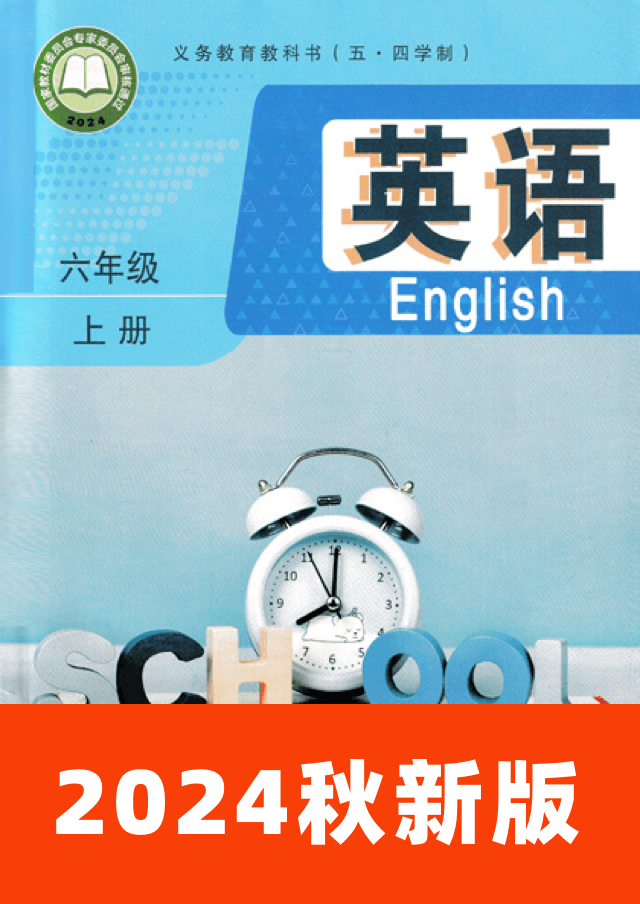
 切换教材
切换教材
 免费下载音频
UNIT 6课文原文、中英文对照及听力音频听读
UNIT 6 Touring the World 翻译:第 6 单元 环游世界
BIG Question 翻译:关键问题
What makes a place popular with tourists? 翻译:是什么让一个地方受到游客的欢迎?
In this unit, you will 翻译:在本单元,你将会
1. learn about several tourist spots. 翻译:1. 了解几个旅游景点。
2. share some information about a tourist spot. 翻译:2. 分享一些关于旅游景点的信息。
3. recommend a tourist spot to others. 翻译:3. 向别人推荐一个旅游景点。
4. explore what makes a tourist spot famous. 翻译:4. 探索是什么让一个旅游景点出名。
Look and share 翻译:看一看并分享
1. What do you see in the photo? 翻译:1. 你在照片中看到了什么?
2. How do you describe this place? 翻译:2. 你怎么描述这个地方?
3. What do you think about this place? 翻译:3. 你觉得这个地方怎么样?
SECTION A What is a tourist spot like? 翻译:A 部分 旅游景点是什么样的?
1a. Match the words with the pictures. 翻译:1a. 将单词与图片匹配。
mountain 翻译:山;高山
kiwi bird 翻译:几维鸟
forest 翻译:森林;林区
lake 翻译:湖
1b. Listen to the conversation and complete the following sentences. 翻译:1b. 听对话,完成以下句子。
Emma: Teng Fei, look at these pictures of New Zealand. 翻译:艾玛:滕飞,看看这些新西兰的照片。
Teng Fei: Wow! 翻译:滕飞:哇!
New Zealand is so beautiful! 翻译:新西兰太美了!
Emma: Look at this picture! 翻译:艾玛:看这张照片!
There’s lots of snow on the top of the mountain. 翻译:山顶上有很多雪。
The lake water is so clear. 翻译:湖水很清澈。
Teng Fei: Cool! 翻译:滕飞:酷!
And the forest looks lovely. 翻译:森林看起来很可爱。
The trees are so tall and green. 翻译:这些树又高又绿。
Emma: I can’t wait to go there! 翻译:艾玛:我等不及要去那里了!
I also want to see kiwi birds. 翻译:我也想看几维鸟。
Teng Fei: Kiwi birds? 翻译:滕飞:几维鸟?
What do they look like? 翻译:它们长什么样?
Emma: They’re small, brown, and they can’t fly. 翻译:艾玛:它们很小,是棕色的,不会飞。
Teng Fei: Interesting! 翻译:滕飞:有意思!
Do they get their name from the kiwi fruit? 翻译:它们的名字来源于猕猴桃吗?
Emma: No, they don’t. 翻译:艾玛:不,他们没有。
People say the name of the kiwi fruit comes from kiwi birds. 翻译:人们说猕猴桃的名字来源于几维鸟。
Teng Fei: Oh, I see. 翻译:滕飞:哦,我知道了。
Do you have any friends living in New Zealand? 翻译:你有朋友住在新西兰吗?
Emma: No, I don’t, but my cousin lives there. 翻译:艾玛:不,我没有,但我表哥住在那里。
Teng Fei: That’s great! 翻译:滕飞:太好了!
I hope one day he can give us a tour. 翻译:我希望有一天他能带我们去参观。
1c. Listen to the conversation again and answer the questions. 翻译:1c. 再听一遍对话,回答问题。
Emma: Teng Fei, look at these pictures of New Zealand. 翻译:艾玛:滕飞,看看这些新西兰的照片。
Teng Fei: Wow! 翻译:滕飞:哇!
New Zealand is so beautiful! 翻译:新西兰太美了!
Emma: Look at this picture! 翻译:艾玛:看这张照片!
There’s lots of snow on the top of the mountain. 翻译:山顶上有很多雪。
The lake water is so clear. 翻译:湖水很清澈。
Teng Fei: Cool! 翻译:滕飞:酷!
And the forest looks lovely. 翻译:森林看起来很可爱。
The trees are so tall and green. 翻译:这些树又高又绿。
Emma: I can’t wait to go there! 翻译:艾玛:我等不及要去那里了!
I also want to see kiwi birds. 翻译:我也想看几维鸟。
Teng Fei: Kiwi birds? 翻译:滕飞:几维鸟?
What do they look like? 翻译:它们长什么样?
Emma: They’re small, brown, and they can’t fly. 翻译:艾玛:它们很小,是棕色的,不会飞。
Teng Fei: Interesting! 翻译:滕飞:有意思!
Do they get their name from the kiwi fruit? 翻译:它们的名字来源于猕猴桃吗?
Emma: No, they don’t. 翻译:艾玛:不,他们没有。
People say the name of the kiwi fruit comes from kiwi birds. 翻译:人们说猕猴桃的名字来源于几维鸟。
Teng Fei: Oh, I see. 翻译:滕飞:哦,我知道了。
Do you have any friends living in New Zealand? 翻译:你有朋友住在新西兰吗?
Emma: No, I don’t, but my cousin lives there. 翻译:艾玛:不,我没有,但我表哥住在那里。
Teng Fei: That’s great! 翻译:滕飞:太好了!
I hope one day he can give us a tour. 翻译:我希望有一天他能带我们去参观。
1d. Talk about the following tourist spots with a partner. 翻译:1d. 与搭档讨论以下旅游景点。
What do you see in the picture? 翻译:你在图片中看到了什么?
I see ... 翻译:我看到了⋯⋯
Where can we see them? 翻译:我们在哪里可以看到它们?
We can see them in ... 翻译:我们可以在⋯⋯中看到它们。
Pronunciation 翻译:发音
1. Listen and repeat. 翻译:1. 听录音并跟读。
Then put the words into the correct groups. 翻译:然后把单词放进正确的组里。
bird 翻译:鸟
see 翻译:看见
tree 翻译:树
friend 翻译:朋友
place 翻译:地方;地点
kind 翻译:种类 体贴的;亲切的
very 翻译:很;非常
dog 翻译:狗
lake 翻译:湖
know 翻译:知道
great 翻译:美妙的;伟大的
clear 翻译:清澈的
get 翻译:去取(或带来);得到
hear 翻译:听见;听到
kite 翻译:风筝
also 翻译:也;而且
live 翻译:居住;生活
like 翻译:喜欢
club 翻译:俱乐部;社团
purple 翻译:紫色的 紫色
/e/ 翻译:
/i:/ 翻译:
/eɪ/ 翻译:
/aɪ/ 翻译:
/əʊ/ 翻译:
/ɪə/ 翻译:
/ɜː/ 翻译:
/k/ 翻译:
/v/ 翻译:
/g/ 翻译:
2. Read, listen and repeat. 翻译:2. 读一读,听一听并跟读。
Notice how the words link together. 翻译:注意单词是如何连读在一起的。
Look at these pictures of New Zealand. 翻译:看看这些新西兰的照片。
New Zealand is so beautiful! 翻译:新西兰太美了!
They want to see kiwi birds. 翻译:他们想去看几维鸟。
There's lots of snow on the top of the mountain. 翻译:山顶有很多雪。
2a. Listen to the conversation and fill in the blanks. 翻译:2a. 听对话并填空。
Teng Fei, I hear that Daming Lakeis very famous. 翻译:滕飞,我听说大明湖很有名。
Where is it? 翻译:它在哪里?
It's in the city of Jinan. 翻译:它在济南市。
Jinan? I know the name of the city. 翻译:济南?我知道这个城市的名字。
We call it 'Quan Cheng'. 翻译:我们称它为“泉城”。
'Quan Cheng'? 翻译:“泉城”?
What does it mean? 翻译:这是什么意思?
'Quan' means spring, and 'Cheng' means city. 翻译:“泉”的意思是泉水,“城”的意思是城市。
Jinan is famous for 72 springs. 翻译:济南以 72 泉而闻名。
Oh, I see. 翻译:哦,我知道了。
It sounds interesting. 翻译:听起来很有趣。
The water in Daming Lake comes from some of the famous springs. 翻译:大明湖的水来自一些著名的泉水。
What is Daming Lake like? 翻译:大明湖是什么样子的?
It's very beautiful. 翻译:它非常漂亮。
There are many green trees and lotus flowers here in summer. 翻译:夏天这里有许多绿树和莲花。
I can't wait to go there. 翻译:我迫不及待地想去那里。
2b. Read the conversation and complete the table. 翻译:2b. 阅读对话并完成表格。
What's the place? 翻译:那是什么地方?
Where is it? 翻译:它在哪里?
Where is the water from? 翻译:水是从哪里来的?
What is it like? 翻译:它是什么样子的?
Daming Lake 翻译:大明湖
2c. 翻译:2c.
Draw a picture of Daming Lake based on the information in 2a and describe it to your partner. 翻译:根据 2a 中的信息画一幅大明湖的图片,并向你的搭档描述它。
2d. 翻译:2d.
Listen to the conversation again and pay attention to the words that link together. 翻译:再听一遍对话,注意连读的单词。
Then role-play it. 翻译:然后进行角色扮演。
2e. Do you know the following tourist spots? 翻译:2e. 你知道以下旅游景点吗?
Talk about them with your classmates. 翻译:和你的同学们谈论它们。
Use the words in the box. 翻译:使用方框中的单词。
Tourist spot 翻译:旅游景点
What is it like? 翻译:它是什么样子的?
Mount Huangshan 翻译:黄山
West Lake 翻译:西湖
Zhangjiajie National Forest Park 翻译:张家界国家森林公园
lovely 翻译:优美的;迷人的
beautiful 翻译:美丽的
wonderful 翻译:精彩的;绝妙的
clear 翻译:清澈的
high 翻译:高的
big 翻译:大的
... 翻译:⋯⋯
Where is ... ? 翻译:⋯⋯在哪里?
It's in ... 翻译:它在⋯⋯
What is it like? 翻译:它是什么样子的?
It is / has ... 翻译:它是/有⋯⋯
Grammar Focus 翻译:语法聚焦
3a. Read the sentences below and pay attention to the words in bold. 翻译:3a. 阅读下面的句子,注意粗体词。
What is the lake water like? 翻译:湖水是什么样的?
It's so clear. 翻译:它很清澈。
What do kiwi birds look like? 翻译:几维鸟长什么样?
They're small, brown, and they can't fly. 翻译:它们很小,是棕色的,它们不会飞。
Where does the name 'kiwi fruit' come from? 翻译:“猕猴桃”这个名字是从哪里来的?
The name of the kiwi fruit comes from kiwi birds. 翻译:猕猴桃的名字是从几维鸟来的。
Do you have any friends living in New Zealand? 翻译:你有朋友住在新西兰吗?
No, I don't, but my cousin lives there. 翻译:不,我没有,但我的表兄弟住在那里。
3b. Complete the following conversations with correct words. 翻译:3b. 用正确的单词完成以下对话。
3c. Complete the following passage with the correct words in the box. 翻译:3c. 用方框中的正确单词完成以下段落。
are 翻译:是
have 翻译:有
see 翻译:看见
and 翻译:和
while 翻译:当⋯⋯时,然而,虽然
because 翻译:因为
SECTION B Why is a tourist spot famous? 翻译:B 部分 为什么一个旅游景点会出名?
1a. List three pieces of information about Mount Taishan. 翻译:1a. 列出关于泰山的三条信息。
Then share them with a partner. 翻译:然后与搭档分享它们。
1b. Read the introduction of Mount Taishan and choose the best title. 翻译:1b. 阅读泰山的介绍,选择最好的标题。
A. A Trip to Mount Taishan 翻译:A. 泰山之旅
B. Mount Taishan 翻译:B. 泰山
C. Sunrise at Mount Taishan 翻译:C. 泰山上的日出
Mount Taishan is in Shandong Province. 翻译:泰山位于山东省。
It is one of the Five Great Mountains in China. 翻译:它是中国五岳之一。
Mount Taishan is famous for its wonderful views: 翻译:泰山以其壮丽的景色而闻名:
springs, trees, birds, and flowers. 翻译:泉水、树木、鸟类和花朵。
When the sun rises or sets, 翻译:当太阳升起或落下时,
the sky over the mountain turns orange, 翻译:山上的天空会变成橙色,
and the clouds turn pink and red. 翻译:云朵会变成粉红色和红色。
The top of the mountain is a wonderful place to enjoy the views. 翻译:山顶是欣赏风景的好地方。
Lots of tourists climb Mount Taishan each year for the views. 翻译:每年都有很多游客爬泰山欣赏风景。
1c. Read again and answer the questions. 翻译:1c. 再读一遍并回答问题。
Mount Taishan 翻译:泰山
Where is it? 翻译:它在哪里?
What is it famous for? 翻译:它以什么出名?
What is the view like when the sun rises or sets? 翻译:太阳升起或落下时的景色是什么样的?
Why do lots of tourists climb the mountain? 翻译:为什么很多游客爬山?
1d. Complete the passage with the proper words. 翻译:1d. 用恰当的单词完成这篇文章。
2a. Read the email and answer the questions. 翻译:2a. 阅读电子邮件并回答问题。
EMAIL 翻译:电子邮件
To: tengfei@magictime.com 翻译:致:tengfeimagictime.com
From: lily@happymail.com 翻译:来自:lily@happymail.com
Dear Teng Fei, 翻译:亲爱的滕飞,
I'm on Waikiki Beach now. 翻译:我现在在威基基海滩。
It's in Hawaii. 翻译:它在夏威夷。
The beach has white sand and the sea is amazing! 翻译:海滩上有白色的沙子,大海真是令人惊叹!
The water is usually blue and green, 翻译:水通常是蓝色和绿色的,
but when the sky turns pink, 翻译:但当天空变成粉红色时,
the water turns pink too. 翻译:水也会变成粉红色。
When the sun sets, the water turns yellow, orange, or purple. 翻译:当太阳落山时,水会变成黄色、橙色或紫色。
People can swim, pick seashells, 翻译: 人们可以在那里游泳、捡贝壳、
play beach volleyball, or have a picnic there. 翻译:打沙滩排球,或者野餐。
There are also many interesting sea animals, 翻译: 还有很多有趣的海洋动物,
such as sea lions, flying fish, and sea horses. 翻译:比如海狮、飞鱼和海马。
I'm having a wonderful time here. 翻译:我很享受在这里的美妙时光。
Hope to see you soon! 翻译:希望很快能见到你!
Yours, 翻译:你的,
Lily 翻译:莉莉
1. Where is Waikiki Beach? 翻译:1. 威基基海滩在哪里?
2. What is the colour of the sea? 翻译:2. 那里的海是什么颜色的?
3. What can people do on Waikiki beach? 翻译:3. 人们在威基基海滩上可以做什么?
4. What sea animals are there? 翻译:4. 那里有什么海洋动物?
2b. Think about a tourist spot. 翻译:2b. 想一个旅游景点。
Complete the table with your own information. 翻译:用你自己的信息填写表格。
Tourist spot 翻译:旅游景点
Location 翻译:地点
Things to do 翻译:可做的事情
Things to see 翻译:值得一看的事物
2c. Write an email to your friend using the information from 2b. 翻译:2c. 使用 2b 中的信息给你的朋友写一封电子邮件。
EMAIL 翻译:电子邮件
Send 翻译:发送
Over to You 翻译:轮到你了
*Project 翻译:*专项
Make a poster about a tourist spot 翻译:制作一张关于旅游景点的海报
1. Work in groups and find out some information about a tourist spot. 翻译:1. 小组合作,了解一些关于旅游景点的信息。
A tourist spot: ______ 翻译:旅游景点:______
Things to do 翻译:可做的事情
Things to see 翻译:值得一看的事物
Things to know 翻译:要知道的事情
I can climb the mountain ... 翻译:我可以爬山⋯⋯
I can ... 翻译:我可以⋯⋯
It has beautiful views ... 翻译:它有美丽的景色⋯⋯
The sky is blue ... 翻译:天空是蓝色的⋯⋯
It has a long history ... 翻译:它有着悠久的历史⋯⋯
It is one of the oldest ... 翻译:它是最古老之一的⋯⋯
2. Share the information you have collected with your partner. 翻译:2. 与你的搭档分享你收集的信息。
3. Make a poster to recommend a tourist spot. 翻译:3. 制作一张推荐旅游景点的海报。
Your poster should include: 翻译:你的海报应该包括:
What is the name of the place? 翻译:这个地方叫什么名字?
What is it like? 翻译:它是什么样子的?
What can people do there? 翻译:人们可以在那里做什么?
Why do you like it? 翻译:你为什么喜欢它?
Reflecting 翻译:回顾
How well can you do these things? 翻译:你能把这些事情做得多好?
1. I can name some tourist spots. 翻译:1. 我能说出一些旅游景点的名字。
2. I can describe what a tourist spot is like. 翻译:2. 我能描述一个旅游景点是什么样子的。
3. I can introduce a tourist spot. 翻译:3. 我可以介绍一个旅游景点。
4. I can explain why a tourist spot is famous. 翻译:4. 我可以解释为什么一个旅游景点会出名。
Very well 翻译:非常好
OK 翻译:不错
Needs work 翻译:还需努力
Mother nature is full of beauty. 翻译:大自然充满了美。
最新学习记录 更新时间:2026-10-25 05:13:30

 已安全检测
已安全检测