

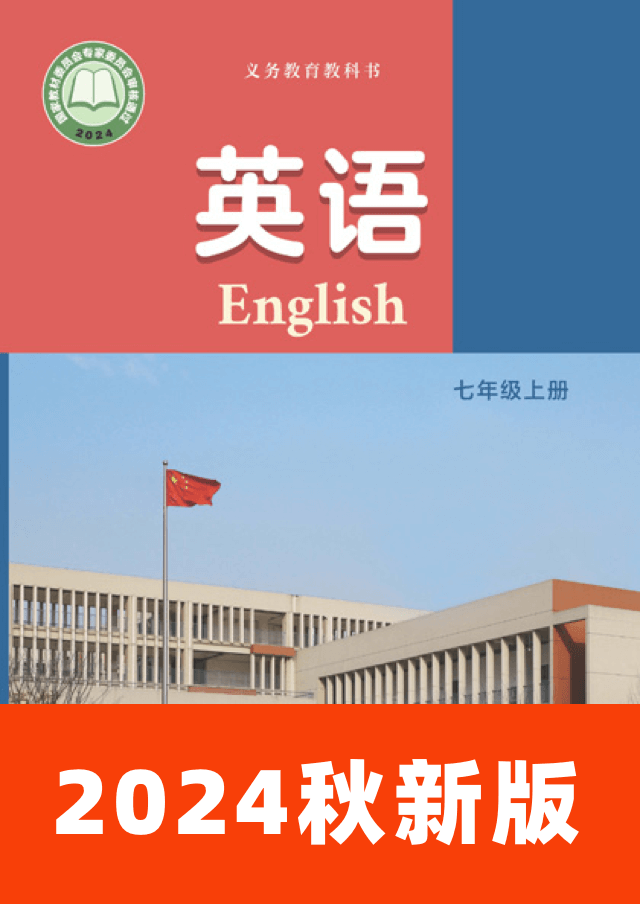
 切换教材
 免费下载音频
Unit 2课文原文、中英文对照及听力音频听读
Unit 2 翻译:第 2 单元
Hobbies 翻译:业余爱好
Hobbies bring joy to our life. 翻译:业余爱好给我们的生活带来快乐。
In this unit, we will 翻译:在本单元中,我们将
1. read about some students' hobbies; 翻译:1. 了解一些学生的业余爱好;
2. learn about after-school clubs at Sunshine Middle School; 翻译:2. 了解阳光中学的课外俱乐部;
3. talk and write about our hobbies; 翻译:3. 谈论和写下我们的业余爱好;
4. think about why hobbies are important for us. 翻译:4. 想想为什么业余爱好对我们很重要。
The Class 1, Grade 7 students are talking about their hobbies. 翻译:7 年级 1 班的学生正在谈论他们的爱好。
Let's share our favourite hobbies with classmates. 翻译:让我们和同学们分享我们最喜欢的业余爱好。
Welcome to the unit 翻译:欢迎来到本单元
What do you like to do? 翻译:你喜欢做什么?
A. What do the Class 1, Grade 7 students like to do? 翻译:A. 7 年级 1 班的学生喜欢做什么?
Complete their answers with the words in the box. 翻译:用方框中的单词完成他们的答案。
jogging 翻译:慢跑
painting 翻译:绘画
paper-cutting 翻译:剪纸
reading 翻译:阅读
B. Amy and Millie are talking about their hobbies. 翻译:B. 埃米和米莉正在谈论他们的爱好。
Work in pairs and talk about your hobbies. 翻译:两人一组,谈论你的爱好。
Use the conversation below as a model. 翻译:以下面的对话为例。
What's your favourite hobby, Millie? 翻译:米莉,你最喜欢的爱好是什么?
I love reading. 翻译:我喜欢读书。
What do you like to read? 翻译:你喜欢读什么?
I read all kinds of books, and I learn a lot from them. 翻译:我读过各种各样的书,从中我学到了很多。
What about you? 翻译:那你呢?
I like swimming. 翻译:我喜欢游泳。
How often do you go swimming? 翻译:你多久去游泳一次?
I go swimming every week. 翻译:我每周都去游泳。
It helps me keep fit. 翻译:它帮助我保持健康。
C. What hobbies do your family members or your friends have? Give an example. 翻译:C. 你的家人或朋友有什么爱好?举个例子。
Reading 翻译:阅读
A fan of science 翻译:科学迷
Mr Wu asked the Class 1, Grade 7 students to write an article about a friend's hobby. 翻译:吴老师让 7 年级 1 班的学生写一篇关于朋友爱好的文章。
Here is Millie's article about Daniel. 翻译:这是米莉关于丹尼尔的文章。
Before reading, think about the questions below. 翻译:在阅读之前,请思考以下问题。
1. Do you like science? 翻译:1. 你喜欢科学吗?
Why or why not? 翻译:为什么或为什么不呢?
2. What does a fan of science often do? 翻译:2. 科学迷经常做什么?
Daniel: a fan of science 翻译:丹尼尔:一个科学迷
Daniel is one of my new friends. 翻译:丹尼尔是我的新朋友之一。
He is a fan of science. 翻译:他是科学迷。
He thinks science is very cool. 翻译:他认为科学很酷。
It is all around us. 翻译:它就在我们身边。
Science changes our lives! 翻译:科学改变了我们的生活!
Daniel often visits science museums. 翻译:丹尼尔经常参观科学博物馆。
He sees all kinds of things and learns a lot. 翻译:他看到了各种各样的东西,学到了很多东西。
It is great fun for him. 翻译:这对他来说很有趣。
At home, he likes to take things apart. 翻译:在家里,他喜欢把东西拆开,
It helps him learn about them. 翻译:学习它们是如何工作的。
Now he can help fix things around the house! 翻译:现在他可以帮忙修理房子周围的东西了!
In his free time, Daniel reads many science books. 翻译:在空闲时间,丹尼尔阅读了许多科学书籍。
He also goes on the internet. 翻译:他还上网。
He wants to find answers to his questions. 翻译:他想找到问题的答案。
He wants to be a scientist one day. 翻译:他希望有一天能成为一名科学家。
I am sure his dream can come true. 翻译:我相信他的梦想会成真。
We use an exclamation mark (!) 翻译:我们用感叹号(!)
to express love, surprise, joy or other strong feelings. 翻译:来表达爱、惊喜、喜悦或其他强烈的感觉。
A. Complete the chart below with the information in the article. 翻译:A. 用文章中的信息填写以下表格。
B. Read the article again and answer the questions below. 翻译:B. 再读一遍这篇文章,回答以下问题。
1. Why does Daniel think science is cool? 翻译:1. 为什么丹尼尔认为科学很酷?
2. What does Daniel do at science museums? 翻译:2. 丹尼尔在科学博物馆做什么?
3. What does Daniel like to do at home? 翻译:3. 丹尼尔喜欢在家做什么?
4. What does Daniel look for on the internet? 翻译:4. 丹尼尔在网上找什么?
5. How does the article show Daniel's love for science? 翻译:5. 这篇文章如何表达丹尼尔对科学的热爱?
C. Kitty is asking Millie questions about Daniel. 翻译:C. 基蒂正在问米莉关于丹尼尔的问题。
Complete their conversation with the correct forms of the words and phrases in the box below. 翻译:用下面方框中单词和短语的正确形式完成对话。
come true 翻译:实现,成为现实
fix 翻译:修理,安装
change 翻译:使不同 改变,变化
museum 翻译:博物馆
fan 翻译:粉丝
scientist 翻译:科学家
go on the internet 翻译:上网
take ... apart 翻译:拆卸,拆开(机器等)
D. Think about the questions below. Share your answers with your classmates. 翻译:D. 想想下面的问题。与同学分享你的答案。
1. How do you find answers to questions about science? 翻译:1. 你如何找到科学问题的答案?
2. What other ways do you know to learn about science? 翻译:2. 你还知道哪些学习科学的方法?
3. Why is it important for us to have hobbies? 翻译:3. 为什么业余爱好对我们来说很重要?
Grammar 翻译:语法
Simple present tense (Il) 翻译:一般现在时态 (Il)
Read the sentences below and pay attention to the use of the verbs. 翻译:读下面的句子,注意动词的使用。
We use the simple present tense to talk about: 翻译:我们用简单现在时态来谈论:
1. things that we often do 翻译:1. 我们经常做的事情
Daniel often visits science museums. 翻译:丹尼尔经常参观科学博物馆。
2. things that are always true 翻译:2. 总是真实的事情
Science changes people's lives. 翻译:科学改变人们的生活。
3. things that are true now 翻译:3. 现在真实的事情
Daniel likes to take things apart. 翻译:丹尼尔喜欢把东西拆开。
We make positive and negative sentences using the verbs in the simple present tense like this: 翻译:我们用一般现在时的动词做肯定句和否定句,就像这样:
I/You/We/They like sport. 翻译:我/你/我们/他们喜欢运动。
He/She/It likes Sport. 翻译:他/她/它喜欢运动。
I/You/We/They do not like sport. 翻译:我/你/他们不喜欢运动。
He/She/It does not like sport. 翻译:他/她/它不喜欢运动。
We ask and answer questions using the verbs in the simple present tense like this: 翻译:我们用这样的一般现在时态动词提问和回答问题:
do not = don't 翻译:不要
does not = doesn't 翻译:没有
Do I/you/we/they like sport? 翻译:我/你/我们/他们喜欢运动吗?
Does he/she/it like sport? 翻译:他/她/它喜欢运动吗?
Yes, I/you/we/they do. 翻译:是的,我/你/我们/他们喜欢。
Yes, he/she/it does. 翻译:是的,他/她/它喜欢。
No, I/you/we/they do not. 翻译:不,我/你/我们/他们不喜欢。
No, he/she/it does not. 翻译:不,他/她/它不喜欢。
Work out the rule! 翻译:找出规律!
When we make negative sentences and ask questions, 翻译:当我们用否定句提问时,
Remember that we add -s to the verb after he, she or it. 翻译:记住,我们在动词 he、she 或 it 后面加上 -s。
However, there are some exceptions. 翻译:但是,也有一些例外。
like likes 翻译:喜欢
play plays 翻译:玩游戏
study studies 翻译:学习
fly flies 翻译:飞
watch watches 翻译:观看
wash washes 翻译:洗涤
dress dresses 翻译:穿
fix fixes 翻译:修理,安装
go goes 翻译:去
do does 翻译:做
Turn to page 141 for changes in pronunciation. 翻译:请翻到第 141 页,了解发音的变化。
A. The Class 1, Grade 7 students have different hobbies. 翻译:A. 7 年级 1 班的学生有不同的爱好。
Complete the sentences below with the correct forms of the verbs in the box. 翻译:用方框中动词的正确形式完成以下句子。
dance 翻译:跳舞
go 翻译:去
fly 翻译:飞
love 翻译:爱
play 翻译:玩
read 翻译:阅读
watch 翻译:看
want 翻译:希望
B. The students are writing their names under the activities they like in the table below. 翻译:B. 学生们正在下表中他们喜欢的活动下写自己的名字。
Complete the questions and then use the information in the table to answer them. 翻译:完成问题,然后使用表中的信息回答问题。
Listening to music 翻译:听音乐
Sandy 翻译:桑迪
Simon 翻译:西蒙
Kitty 翻译:基蒂
Swimming 翻译:游泳
Amy 翻译:埃米
Daniel 翻译:丹尼尔
Reading 翻译:阅读
Millie 翻译:米莉
Daniel 翻译:丹尼尔
Nora 翻译:诺拉
Sandy 翻译:桑迪
Jogging 翻译:慢跑
Simon 翻译:西蒙
Kitty 翻译:基蒂
Amy 翻译:埃米
Millie 翻译:米莉
Drawing 翻译:绘画
Sandy 翻译:桑迪
Millie 翻译:米莉
Kitty 翻译:基蒂
C. Amy and Sandy are talking about their hobbies. 翻译:C. 艾米和桑迪正在谈论他们的爱好。
Complete their conversation with the correct forms of the verbs in brackets. 翻译:用括号中动词的正确形式完成他们的对话。
D. Talk with your partner about your and your friends'hobbies, 翻译:D. 与你的搭档谈论你和你的朋友,
using the correct forms of the verbs. 翻译:注意用动词的正确形式。
Pronunciation 翻译:发音
Vowels (II) 翻译:元音 (II)
Read the following words. 翻译:阅读以下单词。
Pay attention to the sounds of the letters a, e, i, o and u. 翻译:注意字母 a、e、i、o和 u 的发音。
They are different from the sounds in Unit 1 and each sound is short. 翻译:它们与第 1 单元中的发音不同,每个发音都很短。
cap 翻译:帽子
cat 翻译:猫
dad 翻译:爸爸
man 翻译:男人
map 翻译:地图
/æ/ 翻译:
desk 翻译:书桌
egg 翻译:鸡蛋
pen 翻译:钢笔
red 翻译:红色
yes 翻译:对
/e/ 翻译:
big 翻译:大的
city 翻译:城市
him 翻译:他
sit 翻译:坐
with 翻译:具有
/ɪ/ 翻译:
box 翻译:箱
dog 翻译:狗
long 翻译:长的
not 翻译:不
stop 翻译:停止
/ɒ/ 翻译:
but 翻译:但是
cup 翻译:杯子
duck 翻译:鸭子
run 翻译:跑
sun 翻译:太阳
/ʌ/ 翻译:
A. Read the words below. Then put each one under the correct sound. 翻译:A. 读下面的单词。然后把每一个归入正确的发音组中。
clock 翻译:时钟
club 翻译:俱乐部
fun 翻译:乐趣
get 翻译:得到
happy 翻译:幸福的
listen 翻译:听
bad 翻译:坏的
often 翻译:经常
swim 翻译:游泳
well 翻译:好
/æ/ 翻译:
/e/ 翻译:
/ɪ/ 翻译:
/ɒ/ 翻译:
/ʌ/ 翻译:
B. Look at the groups of words. 翻译:B. 看单词组。
Try to read the new words according to the sound ofthe first word in each group. 翻译:试着根据每组第一个单词的发音来阅读新单词。
1. hand 翻译:1. 手
habit 翻译:习惯
lab 翻译:实验室
mad 翻译:疯狂的
2. help 翻译:2. 帮助
lend 翻译:借给
test 翻译:测试
wet 翻译:潮湿的
3. film 翻译:3. 电影
bill 翻译:账单
risk 翻译:风险
silk 翻译:丝绸
4. hot 翻译:4. 热的
job 翻译:工作
top 翻译:顶部
rock 翻译:岩石
5. mum 翻译:5. 妈妈
gun 翻译:枪
just 翻译:仅仅,只不过,正好
luck 翻译:幸运,好运
C. Read the following poem. Pay attention to the sounds of the letters in bold. 翻译:C. 读下面这首诗。注意粗体字母的发音。
Do you like cooking a yummy dish, 翻译:你喜欢做一道美味的菜吗,
Or going swimming like a fish? 翻译:或者像鱼一样游泳?
Maybe you like studying maps, 翻译:也许你喜欢研究地图,
Learning on the apps, 翻译:在应用程序上学习,
Or going for a long run? 翻译:还是去长跑?
Well, all of these hobbies are so much fun! 翻译: 好吧,所有这些爱好都很有趣!
Integration 翻译:整合
After-school fun 翻译:放学后的乐趣
A. Millie is reading about after-school clubs at Sunshine Middle School. 翻译:A. 米莉正在读阳光中学的课外俱乐部。
Read the table below and then answer the questions. 翻译:阅读下表,然后回答问题。
Club 翻译:俱乐部
Members 翻译:成员
Time 翻译:时间
Book 翻译:书
40 翻译:40
Music 翻译:音乐
30 翻译:30
Painting 翻译:绘画
30 翻译:30
Dancing 翻译:跳舞
15 翻译:15
Robot 翻译:机器人
20 翻译:20
Geography 翻译:地理(学)
26 翻译:26
4:40 p.m., Wednesday 翻译:星期三下午 4 时 40 分
Ping-pong 翻译:乒乓球运动
18 翻译:18
Basketball 翻译:篮球
24 翻译:24
Volleyball 翻译:排球运动
26 翻译:26
Football 翻译:足球运动
30 翻译:30
Swimming 翻译:游泳运动
20 翻译:20
4:40 p.m., Friday 翻译:星期五下午 4 时 40 分
When reading a table, we can look atthe headings first to get a general idea. 翻译:在阅读表格时,我们可以先看看标题,以获得大致的概念。
1. What sports clubs are there at Sunshine Middle School? 翻译:1. 阳光中学有哪些体育俱乐部?
2. How many clubs can each student join? 翻译:2. 每个学生可以加入多少个俱乐部?
B. Millie is asking Mr Wu about after-school clubs. 翻译:B. 米莉正在问吴老师关于课外俱乐部的事。
Listen to their conversation and help Millie complete her notes. 翻译:听他们的谈话,帮助米莉完成笔记。
—Mr Wu, can you tell me more about the book club? 翻译:—吴老师,你能告诉我更多关于读书俱乐部的事吗?
It sounds interesting. 翻译:听起来很有趣。
—Sure. 翻译: —当然。
—How often does it meet? 翻译: —它多久聚一次?
—Once a week like the other clubs. 翻译:—像其他俱乐部一样每周一次。
The book club members meet on Wednesday afternoons. 翻译:读书俱乐部成员星期三下午聚会。
—What do students do in the club? 翻译: —学生在俱乐部做什么?
—They read a book every week and share their ideas about it. 翻译:—他们每周读一本书,分享他们对这本书的看法。
—That sounds fun! 翻译:—听起来很有趣!
What other things do they do? 翻译:他们还做什么?
—Members also share their favorite books with each other. 翻译: —成员们还互相介绍他们最喜欢的书。
—OK, I see. 翻译:—好的,我明白了。
We also have some sports clubs, right? 翻译:我们也有一些体育俱乐部,对吧?
—Yes, sports club members meet every Friday afternoon. 翻译: —是的,体育俱乐部成员每周五下午聚会。
—Oh, that's great! 翻译:—哦,太好了。
I'll try one out, thanks. 翻译:我会试试选一个,谢谢。
C. Daniel and Sandy are talking about their hobbies. 翻译:C. 丹尼尔和桑迪正在谈论他们的业余爱好。
Work in pairs and discuss your hobbies. 翻译:两人一组,讨论你的爱好。
Use the conversation below as a model. 翻译:以下面的对话为例。
It is common to use 'Sounds nice!', 翻译:使用“听起来不错”,
'Sure.' etc. in a conversationto show interest, support or agreement. 翻译:“当然”等在对话中表现出兴趣,支持或同意是很常见的。
Hi, Sandy. 翻译:嗨,桑迪。
What do you like doing after school? 翻译:放学后你喜欢做什么?
I like painting. 翻译:我喜欢绘画。
It makes me feel happy. 翻译:这让我感到快乐。
Sounds nice! 翻译:听起来不错!
Do you plan to join the Painting Club? 翻译:你打算加入绘画俱乐部吗?
Yes, I do. 翻译:是的,我打算。
What about you? 翻译:你呢?
I like science, so I'm interested in the Robot Club. 翻译:我喜欢科学,所以我对机器人俱乐部感兴趣。
It's going to be a lot of fun. 翻译:这将会很有趣。
Sure. Both of us will have a great time in our clubs. 翻译:当然。我们俩都会在俱乐部度过一段美好的时光。
D. Mr Wu asked the Class 1, Grade 7 students to write about their favourite hobbies. 翻译:D. 吴老师让 7 年级 1 班的学生写下他们最喜欢的业余爱好。
D1. Read the table below and complete it with your own information. 翻译:D1. 阅读下表,并用自己的信息填写。
Questions 翻译:问题
Sandy 翻译:桑迪
Me 翻译:我
What is your favourite hobby? 翻译:你最喜欢的业余爱好是什么?
Painting. 翻译:绘画。
How often do you do it? 翻译:你多久做一次?
Every week. 翻译:每周。
When do you do it? 翻译:你什么时候做?
After school. 翻译:放学后。
Why do you like it? 翻译:你为什么喜欢它?
It makes me feel happy. 翻译:这让我感到快乐。
It is great fun. 翻译:这很有趣。
Who is your role model? 翻译:谁是你的榜样?
Xu Beihong. 翻译:徐悲鸿。
How can your hobby help you? 翻译:你的爱好对你有什么帮助?
My dream is to design beautiful clothes. 翻译:我的梦想是设计漂亮的衣服。
My painting skills can help me a lot. 翻译:我的绘画技巧对我帮助很大。
D2. Here is Sandy's article about her favourite hobby. 翻译:D2. 这是桑迪关于她最喜欢的爱好的文章。
Read it below. 翻译:请阅读下文。
We capitalizethe first letter of each sentence. 翻译:我们把每个句子的第一个字母大写。
I love painting. 翻译:我喜欢画画。
It makes me feel happy. 翻译:这让我感到快乐。
I paint every week. 翻译:我每周都画画。
I often paint with my friends after school. 翻译:我经常放学后和朋友一起画画。
We enjoy sharing our paintings and talking about art. 翻译:我们喜欢分享我们的画和谈论艺术。
It is great fun. 翻译:这很有趣。
My favourite artist is Xu Beihong. 翻译:我最喜欢的艺术家是徐悲鸿。
He was a master of Chinese painting. 翻译:他是一位中国画大师。
His paintings of horses are great works of art. 翻译:他画的马是伟大的艺术品。
I want to become a designer. 翻译:我想成为一名设计师。
I would like to design beautiful clothes in the future. 翻译:将来我想设计漂亮的衣服。
My painting skills can help me a lot. 翻译:我的绘画技巧对我帮助很大。
I hope my dream can come true. 翻译:我希望我的梦想能成真。
D3. Write an article about your favourite hobby based on the information in Part D1. 翻译:D3. 根据 D1 部分的信息写一篇关于你最喜欢的爱好的文章。
Use Sandy's article as a model. 翻译:使用桑迪文章作为范例。
Useful expressions 翻译:常用表达
My favourite hobby is ... 翻译:我最喜欢的爱好是⋯⋯
I am interested in ... 翻译:我对⋯⋯感兴趣。
I like/love/enjoy ... 翻译:我喜欢/爱/享受⋯⋯
I often play ... 翻译:我经常玩⋯⋯
Every week/day, I ... 翻译:每周/天,我⋯⋯
I play/go/do ... after school. 翻译:我放学后玩/去/做⋯⋯。
... makes me feel happy/good/great. 翻译:⋯⋯让我感觉很高兴/好/很棒。
... can help make my dream come true. 翻译:⋯⋯可以帮助我实现梦想。
Assessment 翻译:评估
What I can do 翻译:我能做什么
Me 翻译:我
Partner 翻译:搭档
1. I can talk about Daniel's and his classmates' hobbies. 翻译:1. 我可以聊聊丹尼尔和他的同学的业余爱好。
2. I can use the simple present tense correctly. 翻译:2. 我能正确使用一般现在时态。
3. I can talk and write about different hobbies with the new words in this unit. 翻译:3. 我可以用本单元的生词谈论和写不同的业余爱好。
4. I can pronounce the sounds /æ/, /e/, /ɪ/, /ɒ/ and /ʌ/ correctly in words. 翻译:4. 我能正确发音单词中的:/æ/,/e/,/ɪ/,/ɒ/ 和 /ʌ/ 。
5. I know why hobbies are important for us. 翻译:5. 我知道为什么业余爱好对我们很重要。
Assess your learning of new words and grammar by doing the exercises on page 109. 翻译:通过做第 109 页的练习来评估你对新单词和语法的学习情况。
Result: 翻译:结果:
Weak 翻译:一般
Good 翻译:不错
Wonderful 翻译:非常棒
I am good at ______. 翻译:我擅长______。
I need to spend more time on ______. 翻译:我需要花更多的时间在______。
My action plan: ______ 翻译:我的行动计划:______
Further study 翻译:拓展学习
Skateboarding is a fun and exciting sport. 翻译:滑板是一项有趣而令人兴奋的运动。
In 2021, It became an Olympics sport. 翻译:2021 年,这项运动进入奥运会。
It is quite popular with young people these days. 翻译:现在它很受年轻人的欢迎。
Find out about a fun sport and share it with your classmates. 翻译:了解一项有趣的运动并与同学分享。
最新学习记录 更新时间:2026-10-09 01:16:43

 已安全检测